Frankie Hansen · 7 September 2026
Exploring Collaborative Networks Behind the Adoption of Path Algorithms in Youth Education Programs
Path algorithms such as A* and Dijkstra's method have moved from university computer science departments into youth education programs around the world, and collaborative networks now drive much of that spread. These networks connect schools, universities, nonprofit organizations, and technology firms that share curricula, training materials, and evaluation tools. Data from the OECD Digital Education Outlook shows that countries reporting formal partnerships between at least three types of institutions experienced a 34 percent faster rollout of algorithm-based modules between 2022 and 2025.
Researchers note that path algorithms lend themselves to visual and interactive lessons because they map directly onto familiar activities like maze navigation, robot routing, and game level design. When educators work together across institutions they can pool examples that suit different age groups and adjust difficulty without starting from scratch each time. One network based in Canada, for instance, developed a shared repository of open lesson plans that reached more than 12,000 teachers by mid-2025, according to records kept by the Canadian Educational Research Institute.
How Networks Form and Operate
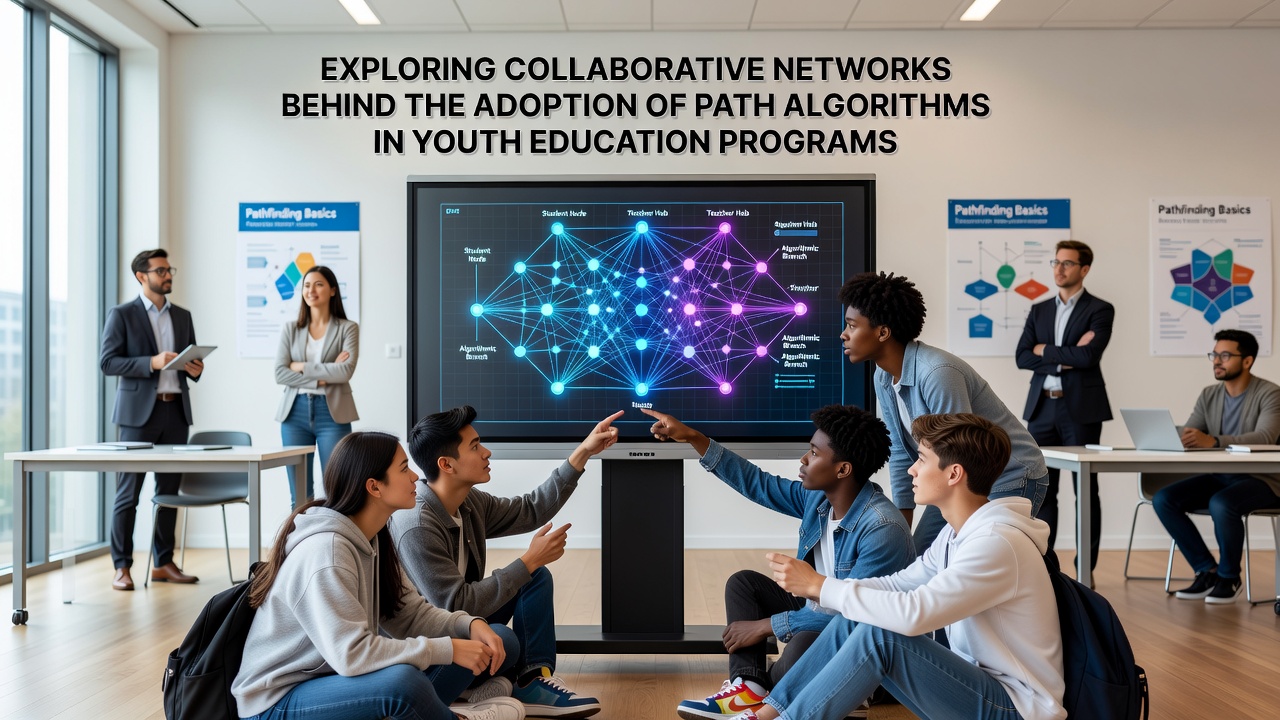
Most active networks begin with small pilot projects that later expand through conferences and joint grant applications. Participants typically include primary and secondary schools that supply classrooms for testing, universities that contribute algorithm expertise, and industry partners that provide software platforms. The structure often resembles a hub-and-spoke model where a central university coordinates contributions from peripheral members. Records from the U.S. National Science Foundation indicate that projects listing multiple co-principal investigators across sectors received funding renewals at twice the rate of single-institution proposals during the 2023-2025 cycle.
Meetings, both virtual and in-person, keep momentum going. A September 2026 summit scheduled in Melbourne will bring together representatives from 27 countries to review standardized assessment rubrics for pathfinding tasks aimed at students aged 10 to 14. Organizers expect the event to produce updated templates that any participating network can adopt without additional licensing fees.
Resource Sharing and Teacher Training
Collaborative groups reduce duplication by circulating ready-to-use modules that cover graph representation, heuristic selection, and performance measurement. Teachers who join these networks report shorter preparation times because they receive annotated code samples and student worksheets already aligned with national learning standards. A study published by the Australian Council for Educational Research tracked 180 educators over two years and found that those who participated in network training sessions integrated at least one path algorithm unit into their yearly plans, whereas non-participants averaged 0.4 units.
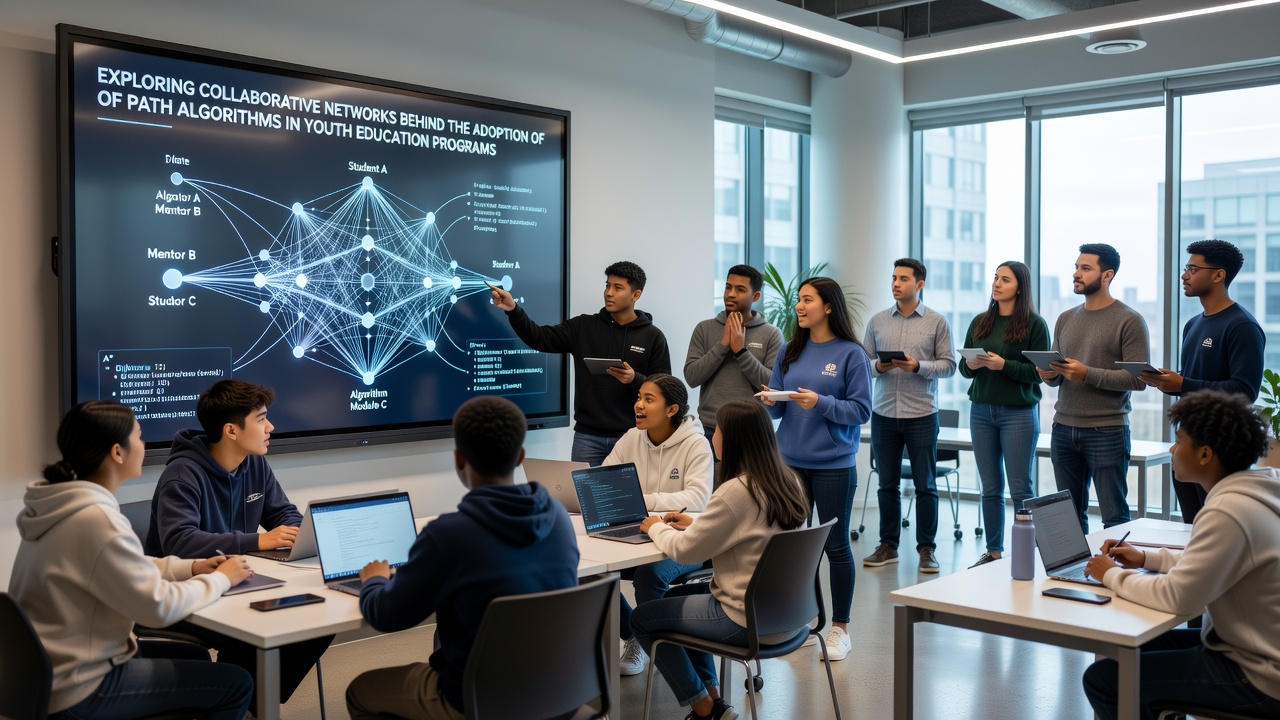
Training sessions frequently combine online modules with local workshops. In one documented series run across Nordic countries, university graduate students served as co-facilitators alongside classroom teachers, which improved both technical accuracy and age-appropriate language. Follow-up surveys collected by the Nordic Network for Computational Thinking showed that 78 percent of participating teachers continued to use the materials in subsequent semesters without further external support.
Geographic Spread and Policy Alignment
European Union member states have tied several digital education initiatives to path algorithm content through the Digital Education Action Plan, which encourages cross-border resource exchange. National agencies in Germany and Estonia, for example, have adapted the same core graph traversal exercises for their respective informatics curricula while maintaining separate assessment frameworks. Meanwhile, programs in Singapore and South Korea have incorporated path algorithms into after-school coding clubs, often linking them to national robotics competitions that attract thousands of participants each year.
Policy documents from these regions emphasize measurable learning outcomes rather than specific software tools, which allows networks to update underlying algorithms without rewriting entire lesson sequences. Figures released by the Singapore Ministry of Education indicate that students exposed to network-supported modules scored 11 percentage points higher on problem-solving items in the 2025 national informatics assessment compared with students in schools that had not yet joined any collaborative group.
Evaluation Methods and Data Collection
Networks collect data through pre- and post-tests, logged student interactions with simulation software, and teacher reflection journals. Common metrics include the number of optimal paths identified within time limits, the variety of heuristics applied, and the ability to explain trade-offs between speed and accuracy. Aggregated results help members identify which instructional sequences produce the strongest gains across different student populations. A multi-country dataset compiled by the International Association for the Evaluation of Educational Achievement now contains records from more than 45,000 youth participants and continues to grow as new network members contribute anonymized results.
Conclusion
Collaborative networks have become the primary mechanism through which path algorithms enter youth education programs. They supply shared materials, coordinated training, and cross-institutional evaluation that individual schools rarely maintain on their own. As the September 2026 Melbourne summit approaches, participating organizations are preparing updated resource packages that reflect the latest findings from ongoing data collection efforts. The pattern observed so far suggests that continued expansion of these networks will determine how widely and how effectively path algorithms appear in classrooms over the next several years.